
Resource Centre
Research, reports, policy papers, and thought leadership from SEA on Hong Kong's space economy.
Research, reports, policy papers, and thought leadership from SEA on Hong Kong's space economy.
Disclaimer: Articles, opinion pieces, and analyses published on this page are the personal views of the authors and do not necessarily represent the views of OASA or SEA.
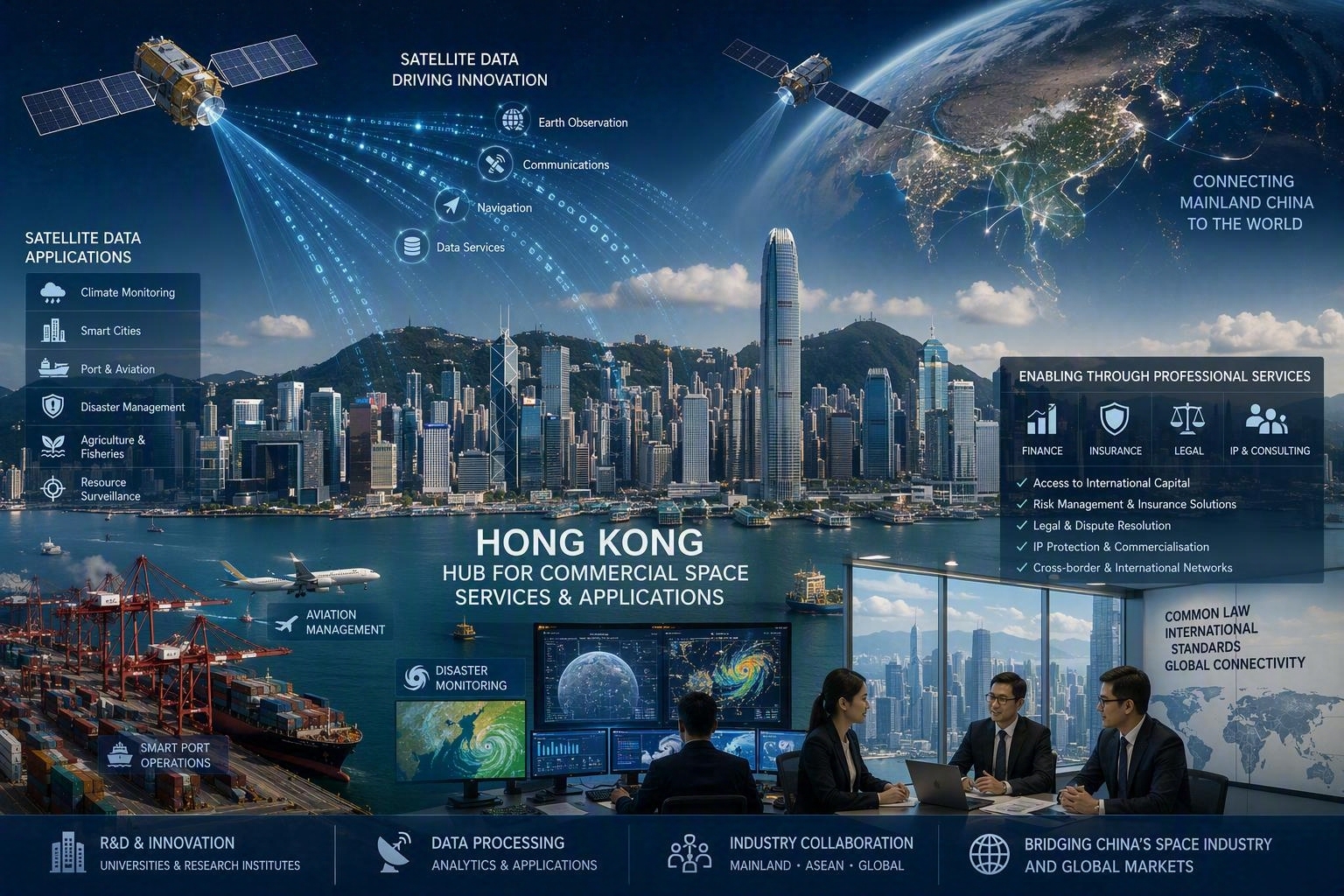
With the nation prioritising space technology, Hong Kong Commercial Space Association chairman Leung Tim-chiu says commercial space applications are landing rapidly worldwide. With its strengths in international finance, R&D, and links to mainland and ASEAN markets, Hong Kong can carve out a regionally influential role in the commercial space value chain.
Chief Executive John Lee earlier said the government’s hard push into the space-technology industry can create jobs, in response to young people’s complaints about the difficult job hunt — a claim netizens mocked as far-fetched. Veteran banker and Space Economy Association (SEA) chairman Richard Leung Tim-chiu tells this paper that commercial space “has never been just rockets and satellite launches”: the space economy is anything but remote — in fact it is close to the ground. Downstream industries stretch from components to ground applications and professional services, spanning finance, insurance, legal and data — a vast range of economic activity, and precisely where Hong Kong, as an international financial centre and super-connector, can extend its advantages. The association estimates cumulative financing and busi- ness volume in related fields will reach HK$300 billion by 2030.
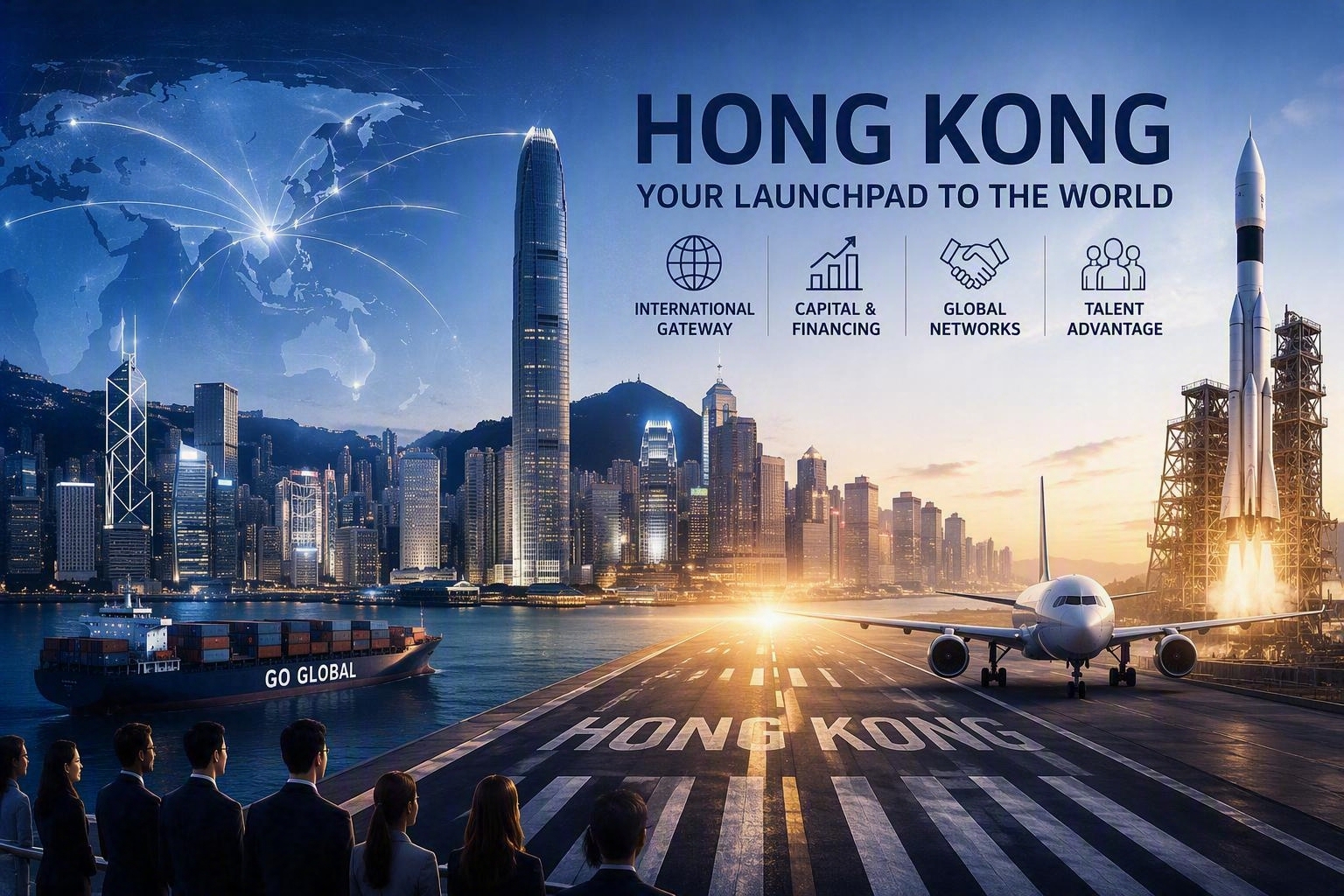
With new opportunities along the Belt and Road, what possible challenges do we see for Hong Kong, and how should we buttress our relative weaknesses? Can we attract high-end talent without high-end challenges, albeit in niches along the NewSpace supply chain?
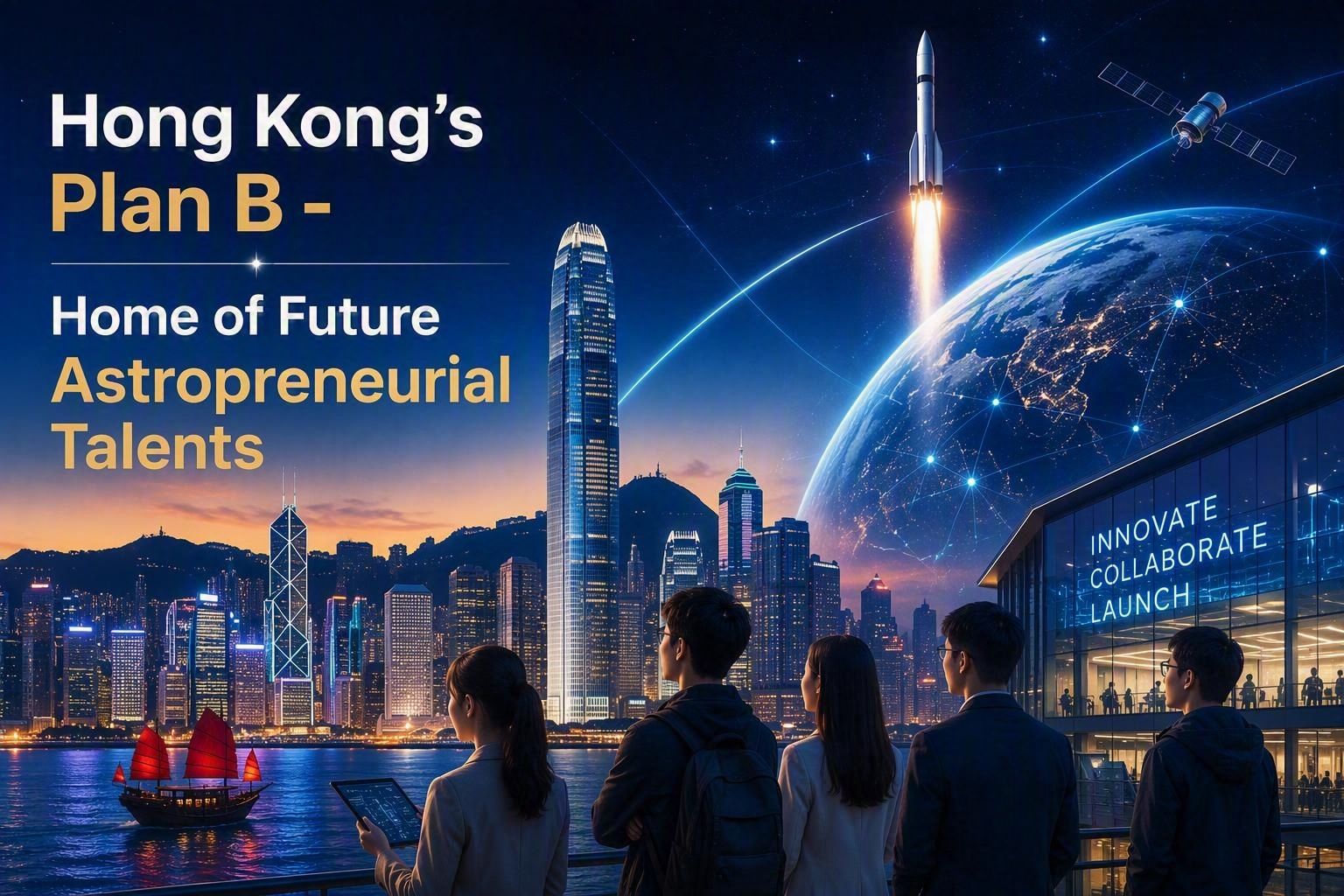
From trade war to cyberwar to AI war and now into Space war and the war for talents — how should Hong Kong formulate our Plan B?

To outline why Hong Kong must assume a new national role as China’s sovereign centre for specialty insurance, risk intelligence, and space‑finance infrastructure, ensuring the nation’s global commerce, emerging industries, and strategic assets remain protected from foreign-controlled insurance systems. Authors : Prof. Ben Chang, Prof. Richard Leung, Mr Mike Somerville, Mr. Ronald Lai, Prof. Gregg Li

Drawing from SEA’s FYP Consultation Document, the strongest argument is not that Hong Kong should pursue NewSpace simply because China wants alignment with the 15th FYP. Rather, NewSpace can become a policy instrument that simultaneously addresses some of Hong Kong's structural socio-economic challenges while supporting national strategic priorities. Author: Prof. Gregg Li

Hong Kong should not attempt to build rockets, satellites, or upstream manufacturing. Instead, Hong Kong should specialise in downstream applications and value‑added services — the part of the space economy where raw signals, imagery, and satellite capacity are transformed into customer-ready solutions.
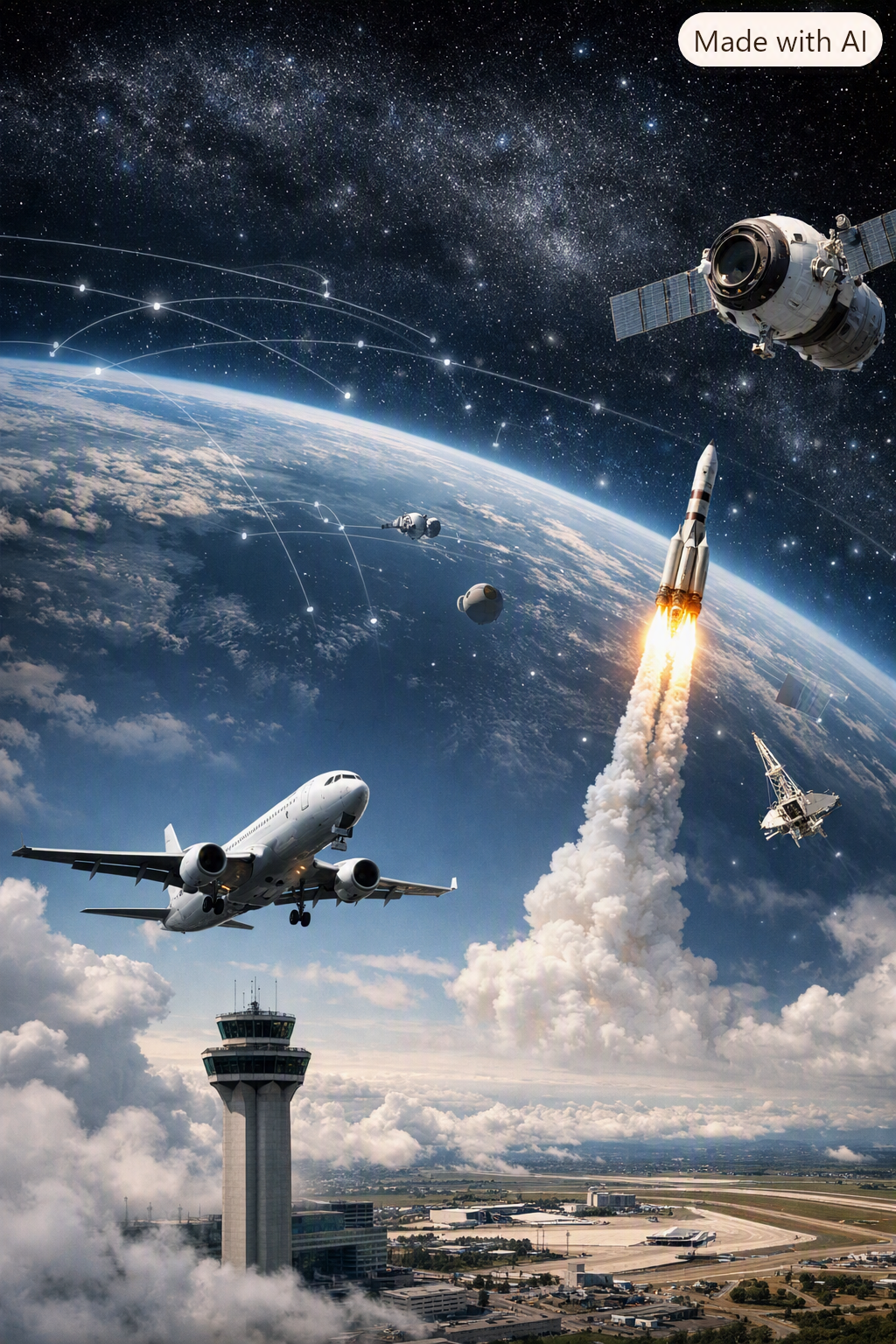
Policy paper from Asian Academy of International Law Limited on applying aviation governance concepts to low Earth orbit space traffic management.
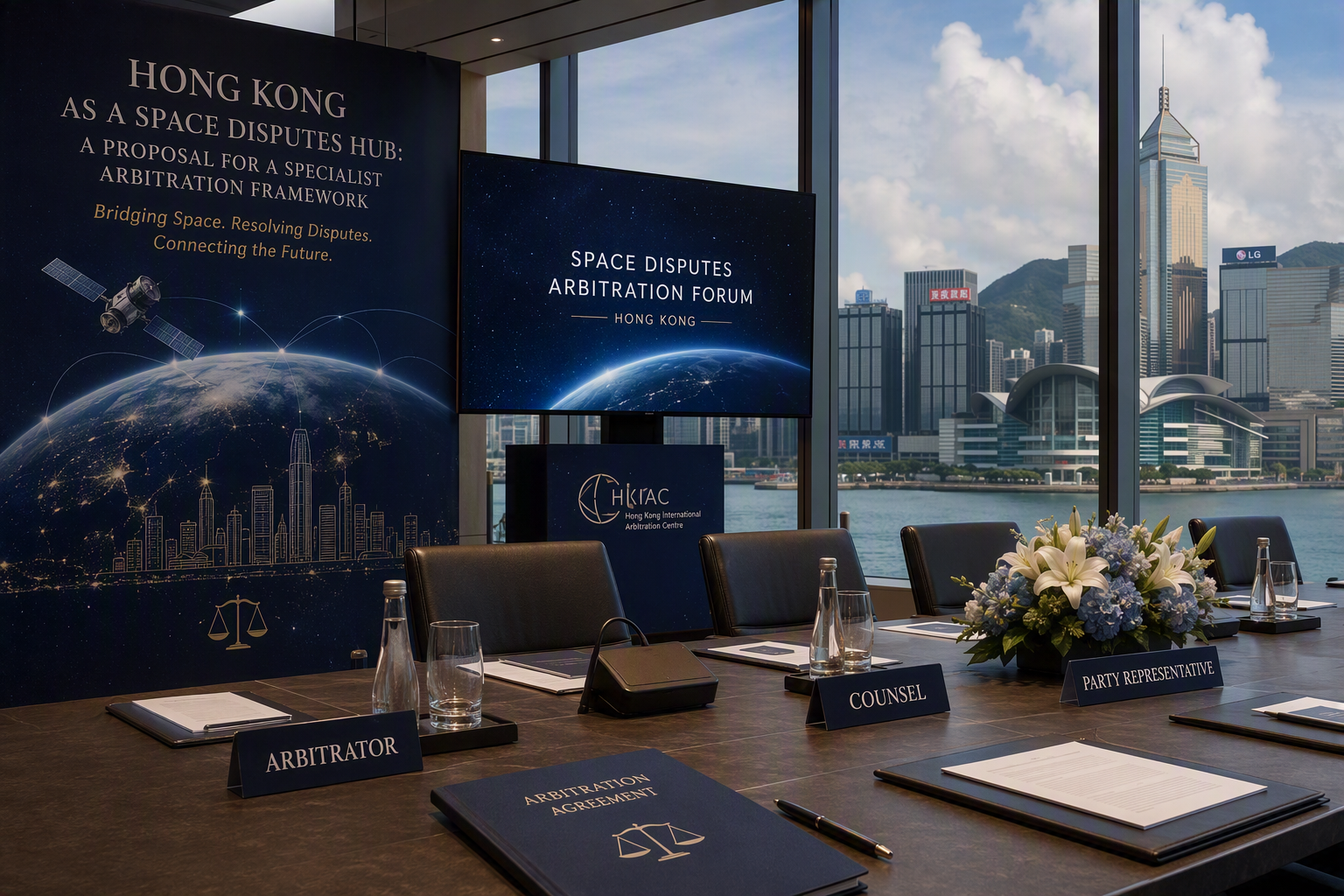
Policy paper from Asian Academy of International Law Limited proposing a specialist arbitration framework for space-related disputes in Hong Kong.
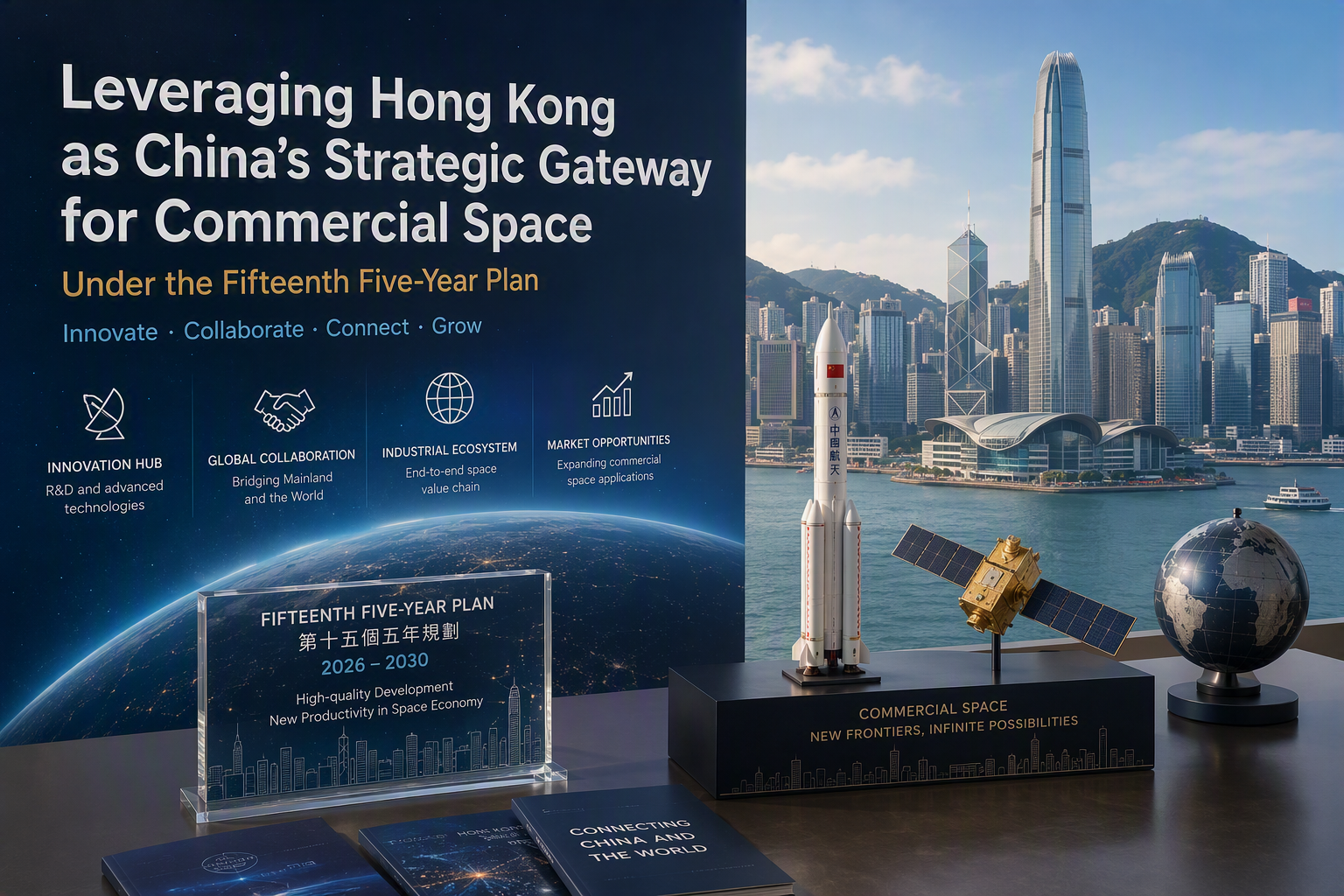
Policy paper from Asian Academy of International Law Limited on Hong Kong's role as a strategic gateway for commercial space under China's Fifteenth Five-Year Plan.

Commercial space represents a strategically suitable opportunity, as value creation in the sector is increasingly concentrated at the high-value ends of the industrial chain—particularly in advanced research and design, capital formation, risk management, data utilisation, and professional services—rather than in mid-stream manufacturing.

Hong Kong stands at a unique moment, the intersection of China’s 15th Five-Year Plan, CNSA's new commercial guidelines , and the global rise of the "NewSpace" sector presents a singular opportunity.

When businesses go abroad, the first step is finding a local business guide who is trustworthy, understands the landscape and trouble spots to avoid, and knows how to work with you, and most importantly, can get the job done.
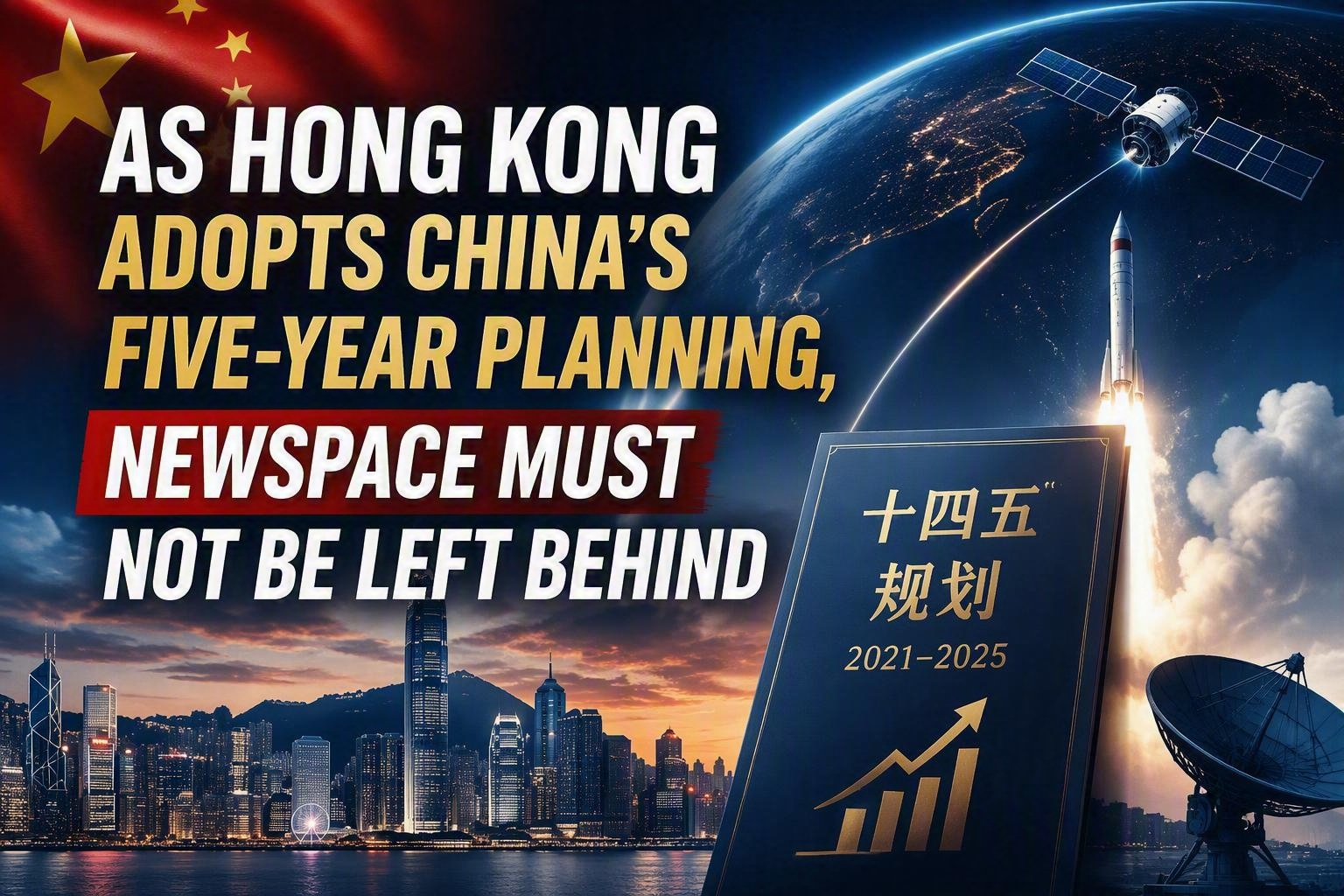
Hong Kong is entering a new era of governance. For the first time, the city is expected to align its priorities with China’s 15th Five‑Year Plan—a shift that demands far more than policy adjustments. It requires a fundamental change in how Hong Kong thinks about comparative advantages, time, strategy, market adaptation, and economic transformation.

Space is a new frontier for economic and technology growth, and China is in the forefront of it. Its strategy to commercialize space activities was first announced in 2014 by the State Council, followed by repeated and strong pushes by various bodies of the Central Government. As technology and application advance, the demand for commercial space services and products has been growing at an exponential rate within our Country, and with emerging demand from overseas.

A Technological and Commercial Tidal Wave is Coming, and Hong Kong Needs to Be Prepared Now

2021 has been a pivotal year for OASA, for Hong Kong, for her universities, and Space. With the support of many, near and far, we gave birth to OASA officially on 21 Feb 2021
Space provides unprecedented new business opportunities for Hong Kong and is one sector that has been neglected, forgotten, and misunderstood. What can a tiny city like Hong Kong possess and contribute to the global Space value chain that has become the new game? Author: Benjamin Ho, Stephen Cheung, Gregg Li